Understanding the Risk
Bed bugs are expert hiders that feed on sleeping hosts at night, leaving itchy bite clusters and emotional distress in their wake. They hitchhike on luggage, furniture, and clothing, spreading quickly through homes, apartments, and businesses.
A single female bed bug lays 200-500 eggs in her lifetime, and populations can explode within weeks. Bed bugs can survive months without feeding, hiding in mattress seams, baseboard cracks, and electrical outlets. DIY treatments almost always fail because they miss eggs and hidden harborages — professional remediation is essential.
Signs of Infestation
Small rust-colored or dark stains on sheets, pillowcases, and mattresses — digested blood from feeding.
Itchy bite clusters, often in lines of three or more, on exposed skin during sleep.
Tiny pale-yellow eggs or shed translucent skins (exoskeletons) along mattress seams and crevices.
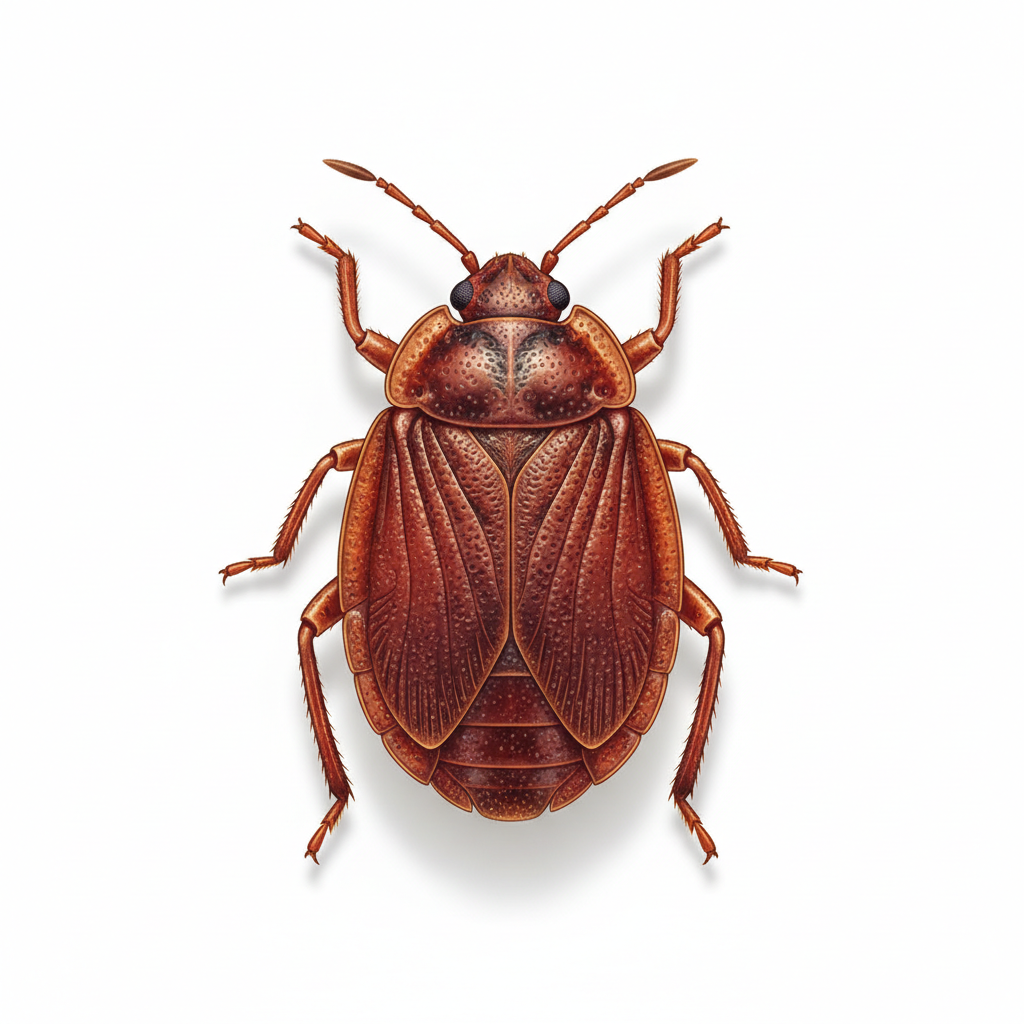
Live bed bugs — apple-seed-sized, reddish-brown, flat insects — found in seam folds or behind headboards.
A sweet, musty odor in heavily infested rooms, produced by bed bug scent glands.
Our Bed Bug Treatment Process
K-9 Level Inspection
A meticulous room-by-room inspection identifies every harborage — mattress seams, box springs, headboards, baseboards, and furniture — to map the full extent of infestation.
Targeted Multi-Stage Treatment
Clinical-grade protocols target every life stage: adult bed bugs, nymphs, and resistant eggs — using a combination of residual applications and crack-and-crevice treatment.
Harborage Elimination
We treat not just the bed but every surrounding hiding spot — furniture, electrical outlets, baseboards, and wall voids — leaving bed bugs nowhere to survive.
Follow-Up Verification
A scheduled re-inspection confirms complete elimination, with additional targeted treatment if any residual activity is detected.
Why Choose GNM for Bed Bug Control
30-Minute Response
We contact every lead within 30 minutes — pests wait for no one.
Licensed & Insured
Certified technicians trained in the latest clinical protocols.
Family & Pet Safe
Targeted formulations that protect what matters most.
Request Your Bed Bug Quote
Tell us what you're seeing and a GNM specialist will reach out within 30 minutes. No obligation.